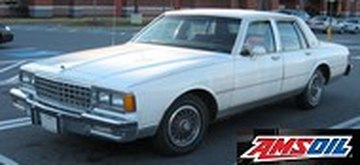
Lubrication Maintenance for the 1982 Chevrolet CAPRICE 3.8L
Maintaining a vehicle from the early 1980s requires a proactive approach to fluid management and mechanical inspection. For the 1982 Chevrolet CAPRICE equipped with the 3.8L engine, consistent attention to lubrication is a fundamental aspect of long-term ownership. While modern vehicles often feature advanced electronic monitoring, older engines rely heavily on the physical condition of fluids and the integrity of various seals and gaskets to operate efficiently.
Monitoring Fluid Integrity and Condition
One of the most effective ways to monitor the health of an engine is through regular observation of its lubricants. Over time, engine oil can undergo changes in color, texture, and consistency. While some level of darkening is expected as the oil performs its duty, significant changes should be investigated.
When performing routine checks, look for the following indicators:
- Changes in viscosity: If the oil feels excessively thin or unusually thick between your fingers, it may indicate contamination or thermal breakdown.
- Presence of particulates: Small amounts of debris might be present, but a significant amount of grit or metallic flakes warrants immediate professional inspection.
- Discoloration: An unusual milky appearance can sometimes suggest that other fluids have entered the lubrication system.
Regularly checking the oil level using the dipstick is also essential. Maintaining the correct volume of lubricant ensures that the engine components remain adequately coated during operation. If you notice the level dropping more frequently than expected, it may indicate a need to inspect various gaskets and seals for signs of seepage or leakage.
Systematic Inspection of Aging Components
As vehicles age, the materials used in various systems can become less resilient. For a 1982 Chevrolet CAPRICE, periodic visual inspections can help identify potential issues before they lead to more significant mechanical concerns. Rather than relying on age alone to dictate service, it is more effective to base maintenance priorities on the actual condition of the components.
When inspecting the engine bay, focus on accessible areas that are subject to heat and vibration. If equipped, check any visible drive belts for signs of wear such as cracking, glazing, or fraying. Similarly, inspect any visible hoses for softness, bulging, or evidence of leaks. Even if a component appears functional, looking for signs of weeping around connection points or seals can provide early warning of potential failures.
Electrical connections and wiring harnesses should also be examined. Over several decades, insulation can become brittle, and connectors may develop corrosion. Ensuring that electrical paths remain clean and secure is vital for the overall reliability of the vehicle's systems.
Managing Long-Term Engine Health
For owners of a 1982 Chevrolet CAPRICE, establishing a maintenance baseline is highly beneficial, especially if the vehicle's service history is not fully documented. By performing a thorough initial inspection and recording the condition of all fluids and major components, you create a reference point for future service. This allows you to distinguish between normal aging and new developments that require attention.
Effective long-term maintenance involves prioritizing tasks based on current findings. If an active leak or a change in fluid behavior is identified, addressing that issue should take precedence over general preventive measures. Keeping a detailed log of every oil change, filter replacement, and mechanical repair helps in identifying patterns—such as how quickly certain fluids are consumed or how often specific components require adjustment.
Consistent record-keeping also aids in maintaining the vehicle's value and ensures that any future service provider has an accurate understanding of the work already performed. This organized approach moves maintenance from a reactive necessity to a controlled, proactive strategy.
Identifying Potential Lubrication Warning Signs
While many issues can be caught during routine inspections, some symptoms may manifest while the vehicle is in operation. It is important to recognize these signs and understand that they can often have multiple underlying causes.
An unusual odor coming from the engine compartment might indicate that lubricant is contacting a hot surface. Similarly, if you notice changes in how the engine sounds during startup or idling, it may be worth investigating the lubrication state or the condition of various mechanical components. Any warning indicators on the dashboard related to fluid levels or pressure require immediate attention.
If you observe any unusual exhaust characteristics, such as smoke that appears differently than usual, this can be associated with various internal or external factors. Rather than attempting a self-diagnosis, these symptoms should be treated as prompts for a professional inspection to determine the exact source of the issue.
Effective Strategies for Oil Selection
Selecting the correct lubricant is critical for the longevity of the 3.8L engine. When choosing an oil, it is important to look beyond just the brand and focus on the technical specifications that match your specific application. Modern oil formulations offer various benefits that can be tailored to different needs.
For example, some high-mileage oil formulations contain additives intended for use in aging engines. These may include seal-conditioning additives designed to help maintain the integrity of older gaskets and seals. Additionally, depending on your driving habits and the age of the vehicle, you might consider the differences between conventional oils, synthetic blends, or full synthetic options. Synthetic oils often provide better thermal stability and resistance to oxidation, which can be beneficial in various operating environments.
Always verify that any product you select meets the appropriate API certification standards to ensure it provides the necessary level of protection and deposit control for your engine.
Practical Advice for BUYING ENGINE OIL for your 1982 Chevrolet CAPRICE 3.8L
When you are ready to purchase new lubricant, do not rely on general automotive knowledge or assumptions based on the vehicle's age. The most reliable way to ensure you are getting the correct product is to match the engine oil to the application-specific viscosity information already displayed on this webpage.
Before completing your purchase, carefully check the product labels to confirm that the SAE viscosity and service classifications align with the requirements listed in the application data above. Whether you choose a conventional, synthetic blend, or high-mileage formulation, the primary requirement is that it adheres to the specific technical guidance provided for this 1982 Chevrolet CAPRICE 3.8L. By following the documented specifications rather than guesswork, you ensure the engine receives the exact type of lubrication intended for its design.